Patio Cleaning in Seaford & East Sussex
Slabs, natural stone and concrete cleaned at a pressure the surface can actually take. £4.50 a square metre, £5 on natural stone, quoted in writing before I start.
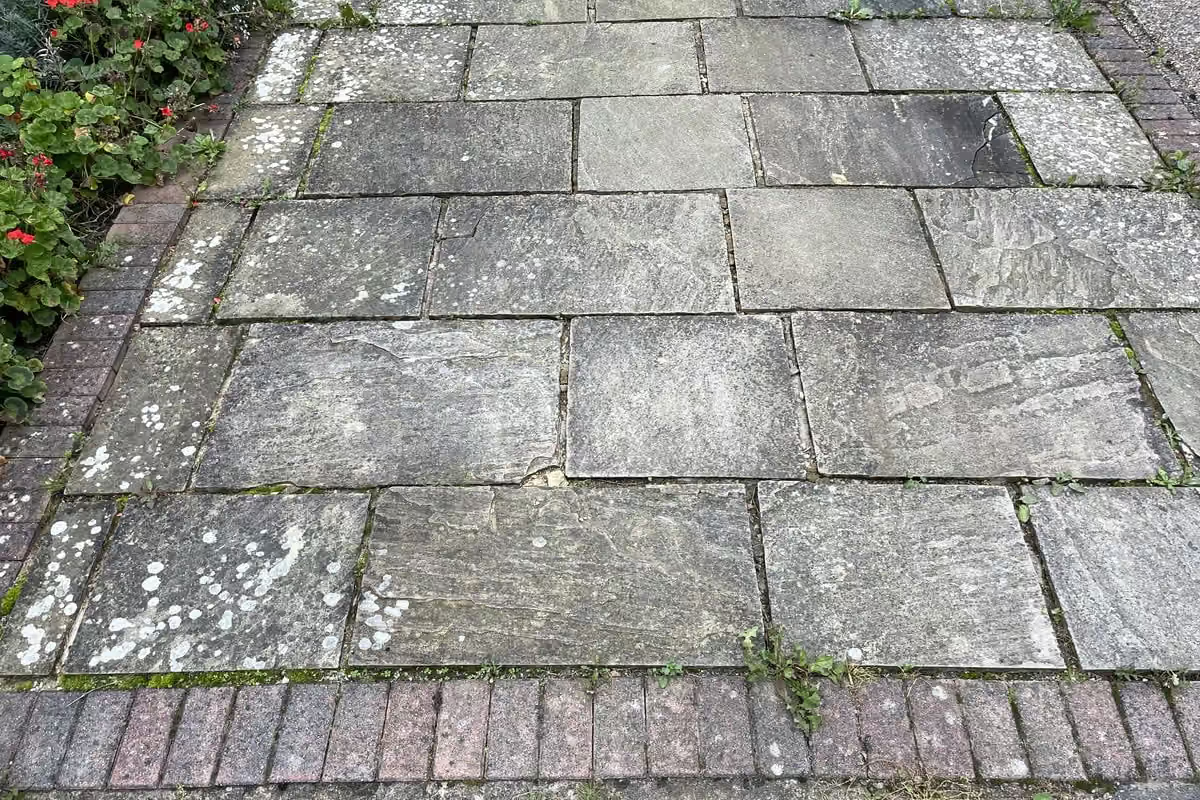
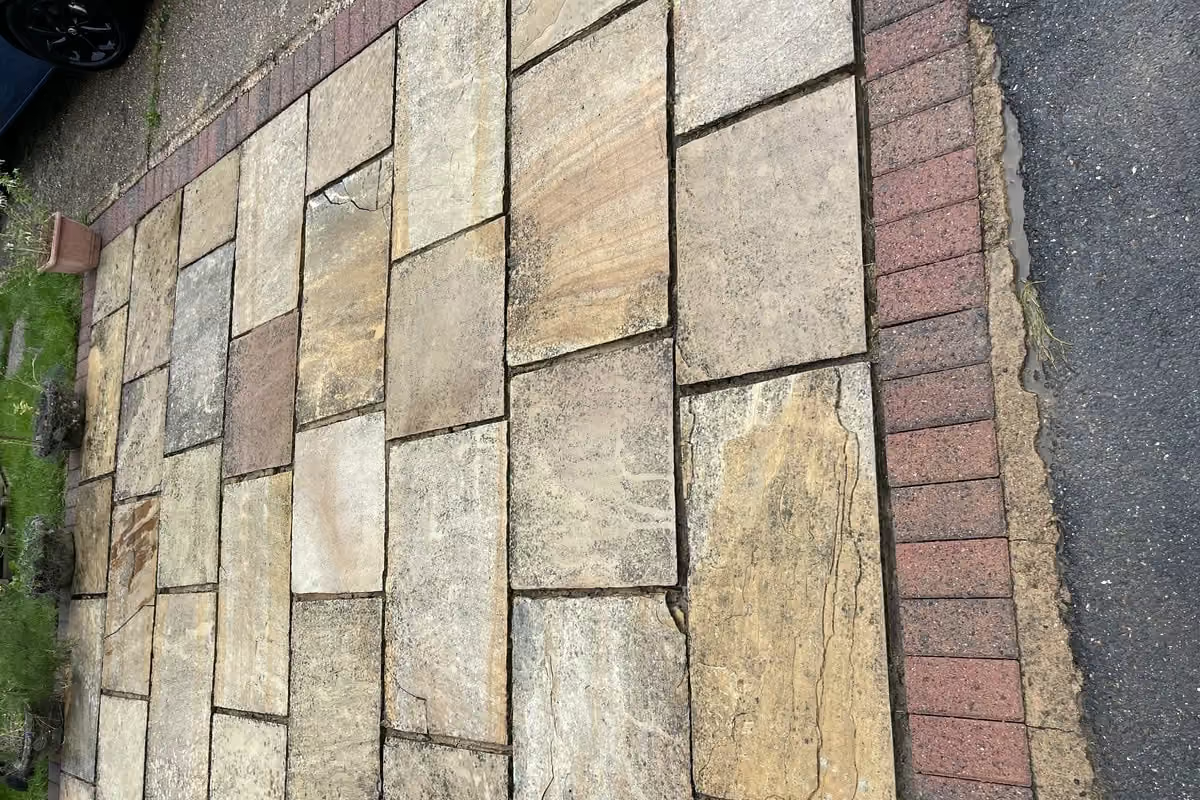
Most patios in this part of Sussex are not dirty. They are alive. What looks like grey grime across your slabs is usually a film of algae and cyanobacteria holding a layer of moisture against the stone, and underneath it the paving is very often in better condition than you think.
That distinction matters because it changes the job. Dirt comes off with pressure. A living film comes off with pressure and then comes straight back unless something is done about the conditions that grew it. So a proper patio clean is a wash, a re-sand where the joints need it, and an honest conversation about whether a biocide or a sealer is worth your money on your particular patio.
What I actually do on the day
I start by clearing the surface and looking at the edges, because the edges tell you what the patio has been through. Blown slabs, failed pointing, a section that rocks underfoot: all of that changes how much pressure I can use and where I have to keep the lance away.
The open areas get a rotary surface cleaner. It runs two jets under a shroud at a fixed height, which is what stops the striping you see on patios that have been done with a lance waved back and forth. It also keeps the water and the mess contained rather than throwing it up the back wall of your house.
Edges, steps and awkward corners then get a lance pass at a wider fan angle, further back from the surface. This is the part that takes the time. A 25 square metre patio is roughly three hours, and most of the second half of that is edges.
Then the joints. On block paving and on any slab laid with a sand joint, the wash takes sand out and it has to go back. Kiln-dried sand is brushed in dry and vibrated down until the joint is full to the top. If the surface is still wet the sand bridges and sits there looking full while the bottom of the joint is empty, which is why some jobs need me to come back the next day to finish rather than doing it damp and calling it done.
Pressure, and why less of it is usually better
A machine that will run at 200 bar is not an instruction to use 200 bar. The pressure that comes out of the nozzle matters less than the pressure that lands on the stone, and that is a function of the fan angle and how far back you hold it.
Concrete slabs and dense paving take a full pass without complaint. Indian sandstone does not. Sandstone is a sedimentary rock with a soft binder between the grains, and too much pressure erodes the binder, pulls grains out and leaves a surface that is measurably rougher than it was. A rougher surface holds more water and more dirt, so a patio that has been blasted gets dirty faster ever after. That is the mechanism behind the complaint that a patio “never looked right again” after somebody cleaned it.
Old York stone, soft limestone and anything with lime pointing come down further again, and some of them are better soft washed than jet washed at all.
Efflorescence, black spot and the things that will not come off
Two things turn up on nearly every patio quote and neither is dirt.
Efflorescence is the white powdery bloom that appears on new or newish paving. Salts inside the stone or the bedding mortar dissolve, travel to the surface as water evaporates, and are left behind. Washing barely touches it and washing hard can make it worse by pushing more water in. It weathers off over a couple of seasons on its own. There are acid treatments that will shift it, and they carry a genuine risk of etching the stone, so I would rather tell you to wait than sell you something that might leave a permanent mark.
Black spot lichen is the other one. Those small black discs are not sitting on the stone, they have rooted into the top layer of it. Pressure sufficient to remove them is pressure sufficient to take the face off the slab. What works is a biocide treatment and then several months of weather, which kills the lichen and lets it break down and wash away gradually. Anyone who tells you they will blast it all off in an afternoon is telling you they are prepared to damage your patio.
New paving needs leaving alone
If your patio went down less than four months ago, wait. New natural stone is still pushing salts out and the bedding is still curing. Washing it early can lock efflorescence into the surface and leave a bloom that takes a full season to clear. Concrete and porcelain are less sensitive, but a few weeks is still sensible.
Biocide, and what it does and does not do
A biocide applied after cleaning kills the spores left in the surface and slows recolonisation. On a north-facing patio, under trees, or anywhere within sight of the water at Seaford or Peacehaven, it buys a meaningful amount of time, often the difference between doing this every year and doing it every two or three.
It is not a weedkiller and I am careful about that wording, because they are different products under different rules. Applying a herbicide commercially requires PA1 and PA6 certificates. I do not hold those yet, so I do not treat weeds and I will not quietly do it anyway. Cleaning removes what is growing in the joints today, and a full joint of kiln-dried sand makes it considerably harder for the next seed to get a start.
Sealing
Sealing is a separate visit and it is optional. The surface has to be dry all the way through, which is two or three dry days after a wash, and rain within about eight hours of application ruins the job. So I will not seal on a doubtful forecast, and if the forecast turns after you have booked it I will ring you and move it.
On natural stone an impregnating sealer soaks in and barely changes the look. A colour-enhancing or wet look sealer noticeably darkens the stone, which some people love and some regret badly, so I do a test patch in a corner and let you look at it before I commit the whole patio to it. On dense porcelain sealing is close to pointless because there is nothing for it to soak into, and I will say so rather than take the money.
What it costs
£4.50 a square metre for slabs, concrete and standard paving. £5 for natural stone, because it is slower and needs more care. Biocide is £1.50 a square metre on top. Sealing starts at £5.50.
The minimum job is £150, and that binds more often than the rate does. Below about 33 square metres you are buying the minimum rather than the rate, which is worth knowing before you measure up and do the arithmetic yourself.
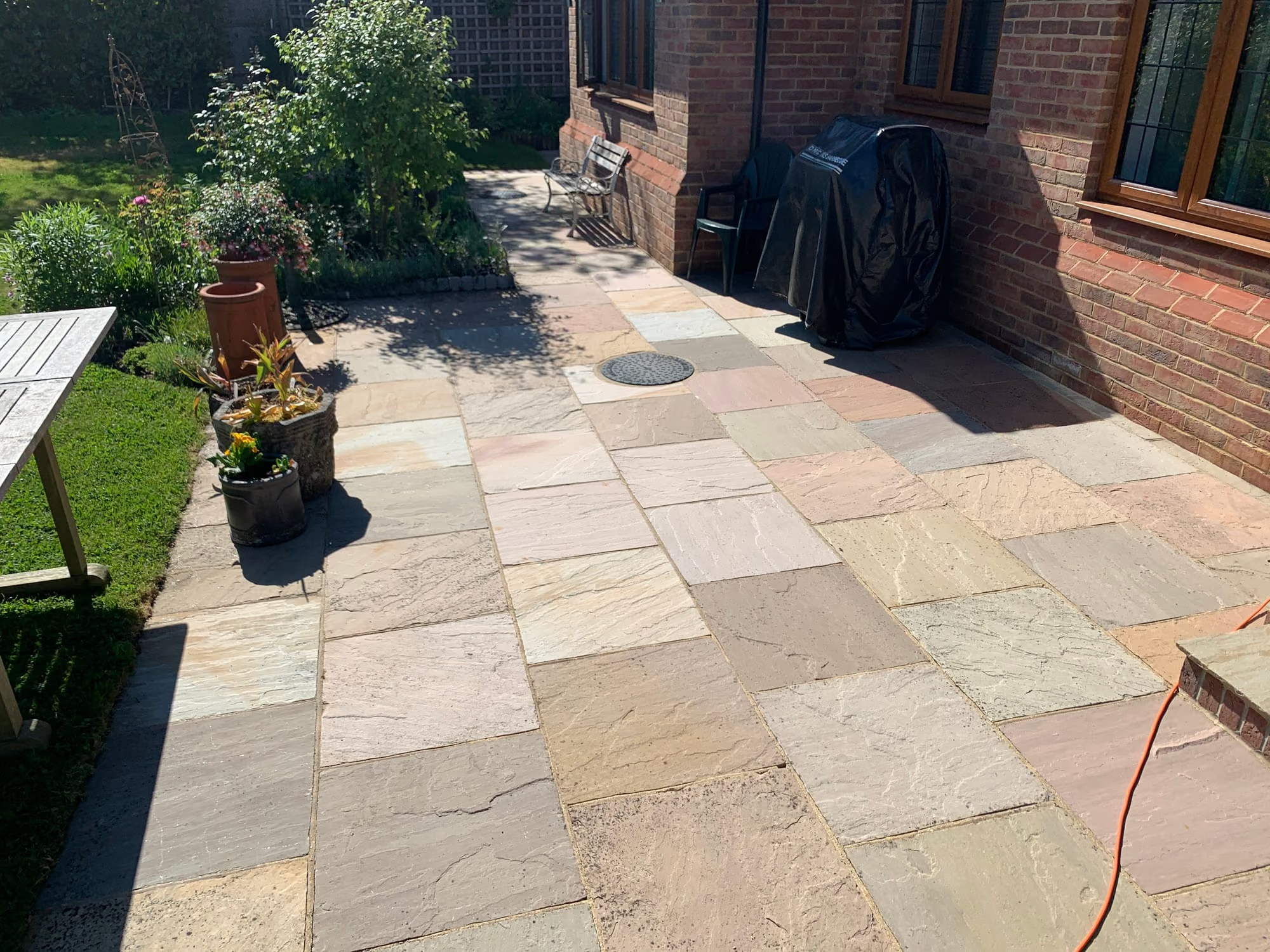
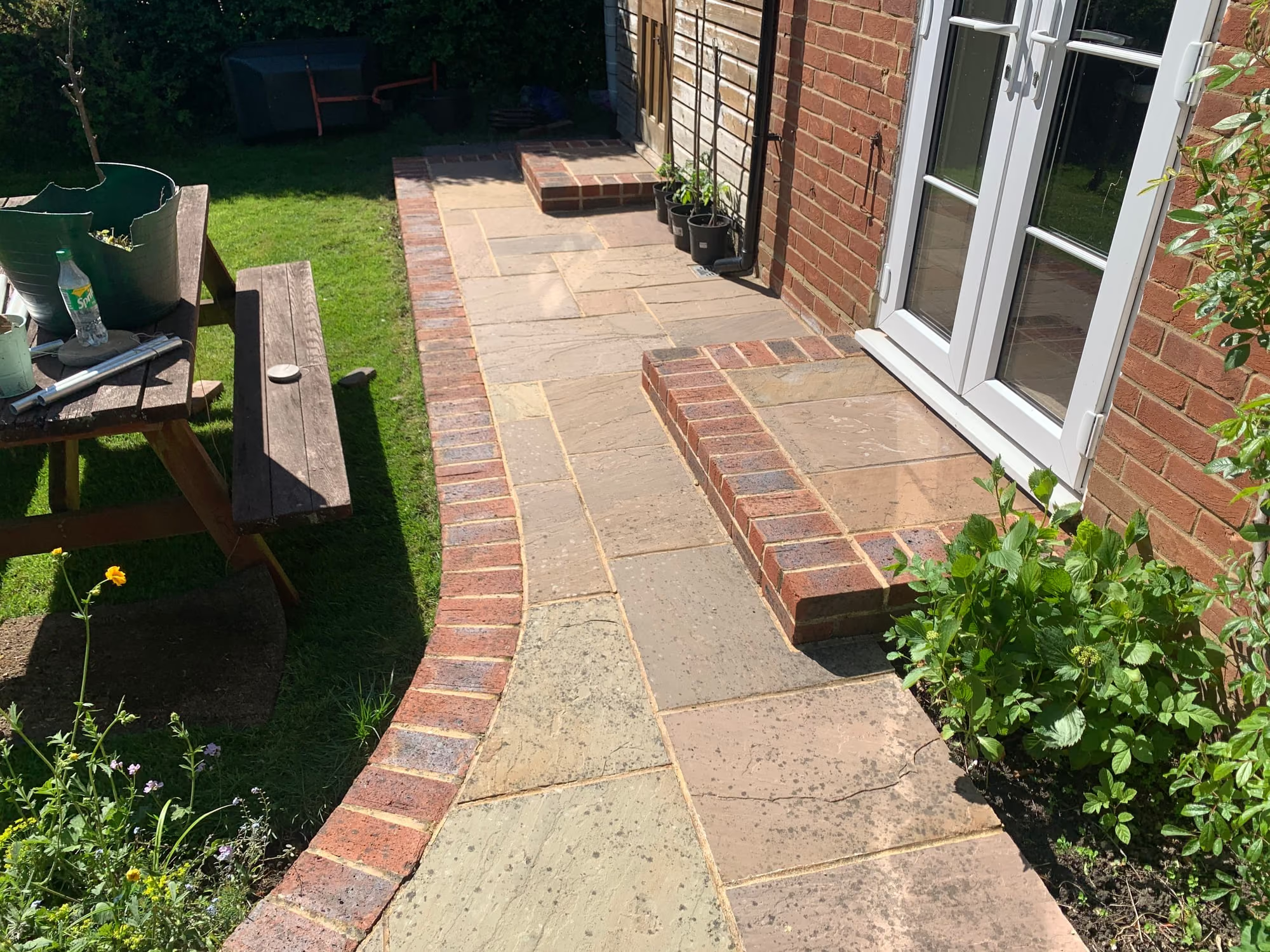
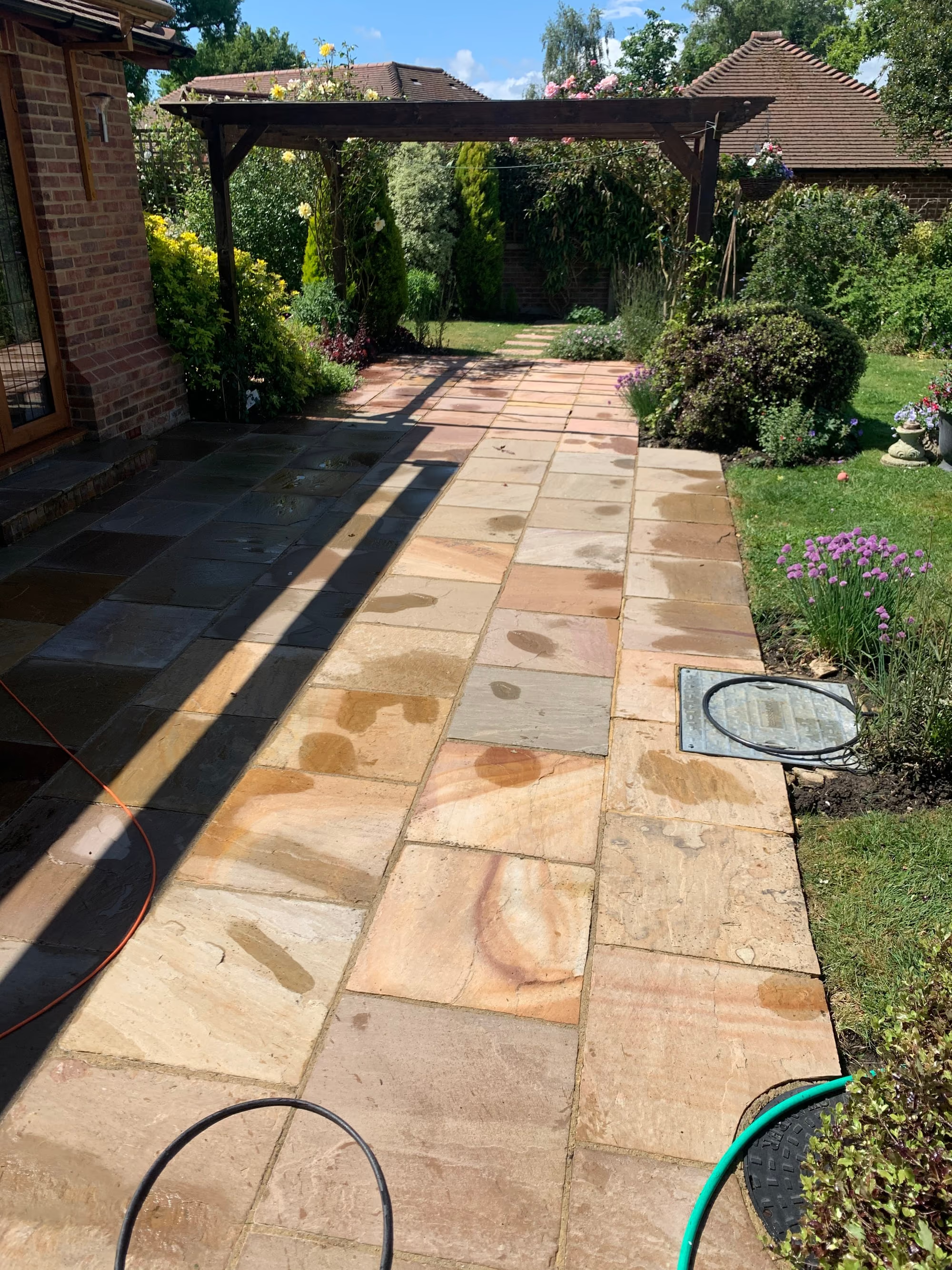
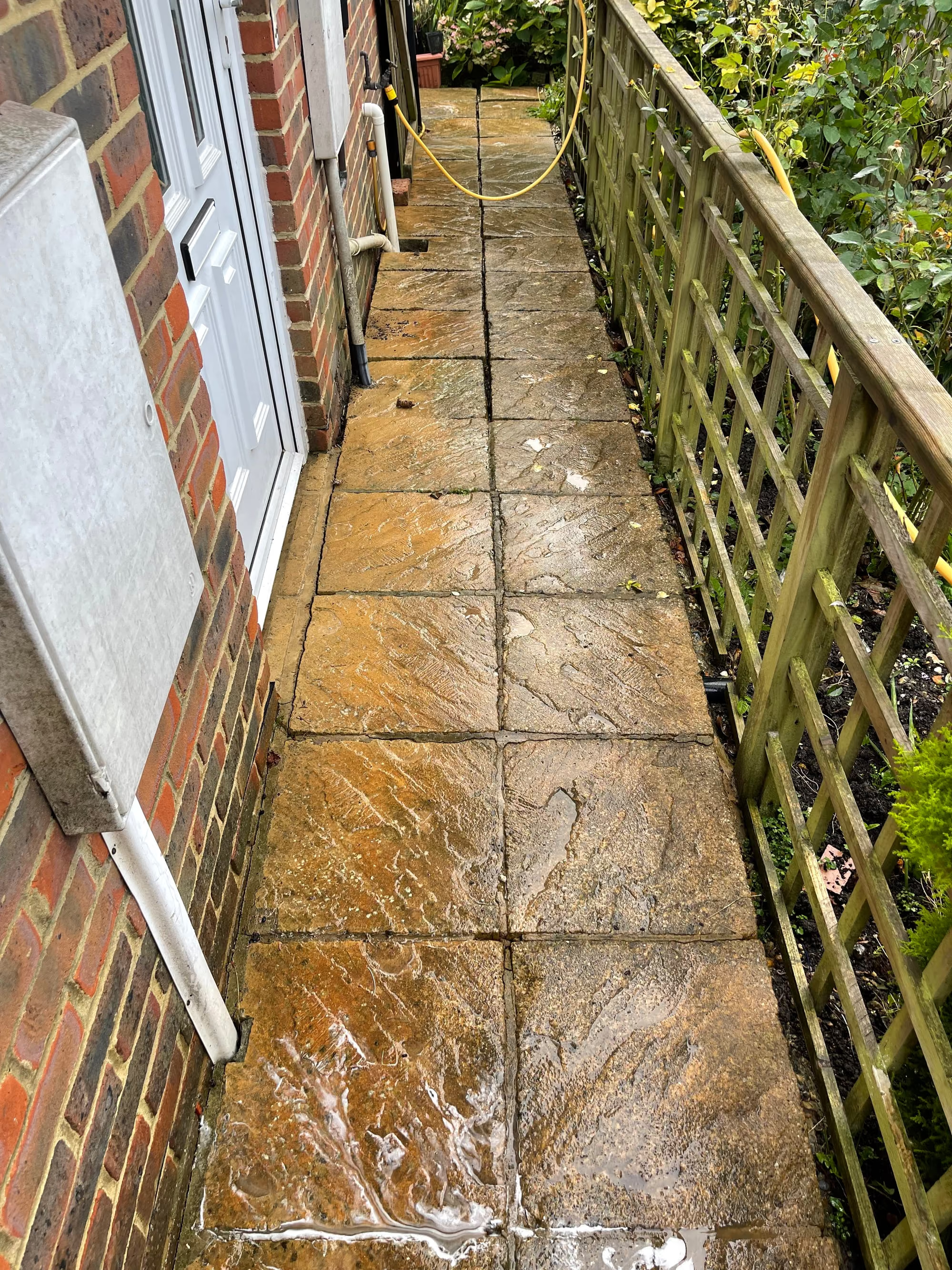
From my own jobs
What this looks like in practice
Questions
Patio cleaning: what people ask
Will cleaning take the colour out of my slabs?
No, though it often looks that way at first. What comes off is the biological film sitting on top, and underneath the stone is usually lighter and patchier than people remember. Sandstone in particular dries back over a week or two and evens out. The colour you end up with is the colour the stone actually is.
My patio is new. Can it be cleaned yet?
Wait four months on new natural stone. Fresh paving is still curing and pushing salts to the surface, and washing it early can lock efflorescence in and leave a white bloom that takes a season to weather off. Concrete and porcelain are less fussy but a few weeks is still sensible.
What is the white powdery stuff on my paving?
Efflorescence. Salts within the stone or the bedding mortar migrating to the surface as water evaporates out. It is not dirt and it is not damage, and jet washing barely touches it. It usually weathers away over a couple of seasons. There are acidic treatments for it, but they carry a real risk of etching the stone, so I would rather leave it alone than make it worse.
Can you get black spot lichen off?
Sometimes, and I will tell you honestly before I start. Black spot roots into the surface of the stone rather than sitting on it, so pressure alone will not shift it without taking stone with it. A biocide treatment and a few months of weather removes most of it. Anyone promising to blast it all off in one visit is going to damage your patio.
Do I need to be in?
Not usually. I need access to the patio and an outside tap. Plenty of jobs get done while people are at work. I send photographs when I finish and take payment afterwards.
Get a price
Send me photos and I will price your patio cleaning
Two or three photos and a rough size is all I need. Fixed price back in writing, usually the same day.
Sent
That is with me.
I read every one myself. If you sent photos I can usually come back with a fixed price the same day, or the next morning if it arrives late.