Driveway Cleaning in Seaford & East Sussex
Block paving, concrete and pattern imprinted drives cleaned and re-sanded. £4.50 a square metre, £5.50 on block paving with the kiln-dried sand included rather than added at the end.
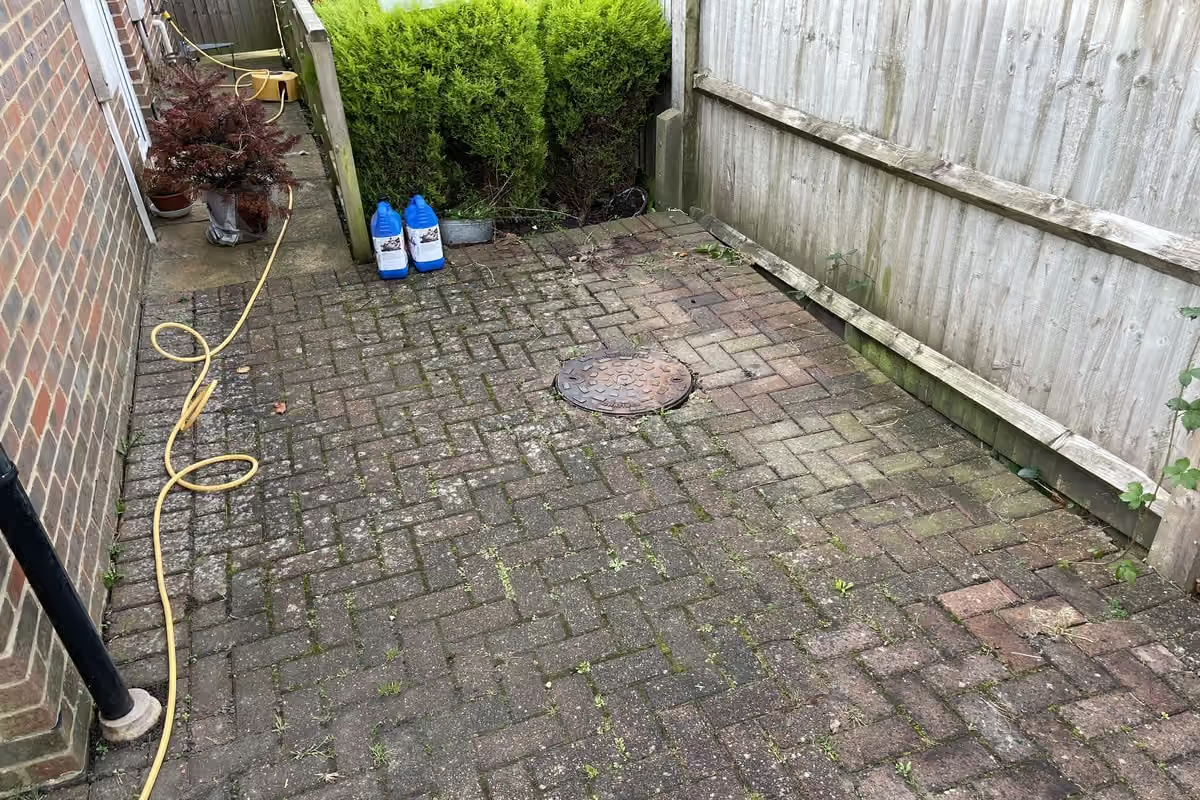
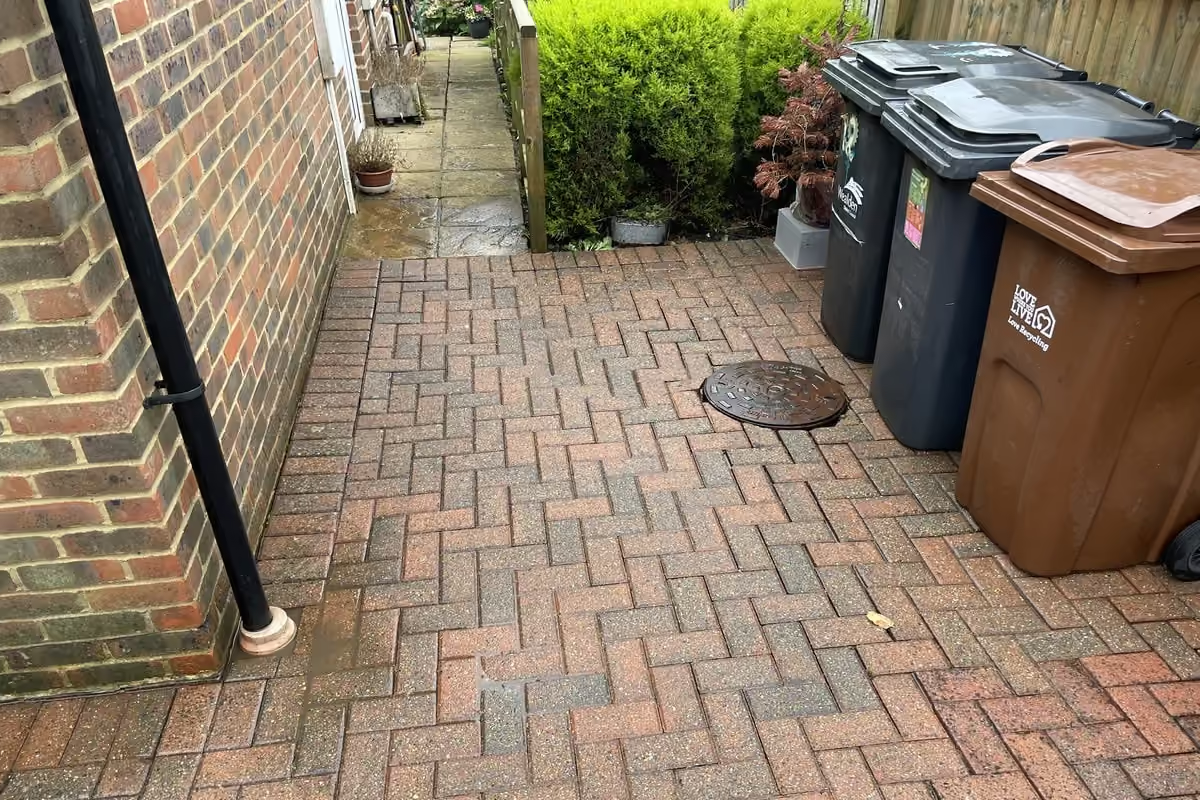
A driveway is the largest hard surface most houses have and the one that gets judged first. It is also the one most likely to have been cleaned badly at some point, because it is big, it looks dramatic when half of it is done, and it tempts people into hiring whoever knocked on the door.
Three quarters of the drives I quote for are block paving. The rest are split between concrete, pattern imprinted concrete and the occasional gravel-and-slab arrangement that needs a different conversation entirely.
Block paving: the sand is the job
The single most useful thing I can tell you about block paving is that the sand in the joints is structural.
Block paving works because each block transfers load sideways into its neighbours through the sand packed between them. Full joints turn several hundred separate blocks into one flexible surface that can take a car. Empty joints turn them back into several hundred separate blocks. That is when you start to see edges chipping, blocks rocking underfoot, and the laying pattern slowly creeping out of line near the entrance where cars turn.
Jet washing takes sand out. It has to, because that is where the moss and the weed seed are living. So any clean that does not put sand back has left the drive worse off structurally than it was before, and the drive will look excellent for about six months while it quietly gets worse.
Kiln-dried sand is sand that has been heated until it is bone dry. That matters because dry sand runs almost like a liquid and finds its way to the bottom of a joint. Damp building sand clumps, bridges across the top, and leaves a joint that looks filled and is hollow underneath. I brush it in dry, work it down, and go back over it a second time once it has settled.
Re-sanding is included in my block paving rate. It is not an extra I mention when I have finished and you are pleased with how it looks.
Concrete
Plain concrete is the easiest surface I work on and it takes a full pass without complaint. The two things worth saying about it are oil and age.
Oil under where the car sits is usually liftable but rarely perfect. Fresh oil comes out with a degreaser and some patience. Oil that has been soaking into porous concrete for a decade has stained the material rather than sitting on it, and it will lighten rather than vanish. I will tell you what I think it will look like before I start, not after.
Old concrete that has started to spall, where the surface is flaking away and the aggregate is showing through, is past the point where cleaning helps. Pressure accelerates it. I will clean around it and tell you honestly that the patch needs a different trade.
Pattern imprinted concrete
Imprinted drives need care, and the reason is not obvious from looking at one. The colour lives in a thin surface layer, and what holds that layer down and gives the drive its sheen is a sealer coat. That sealer degrades under UV and traffic over five to eight years. Once it starts to go, the drive looks patchy and tired, and people assume it needs cleaning.
It does need cleaning, but cleaning is the first half of the job. The second half is re-sealing, and without it you have stripped what remained of the old sealer and exposed the colour layer. So on imprinted concrete I quote both parts or I quote neither, and I use reduced pressure and no turbo nozzle anywhere near it.
How long, and what it costs
A 25 square metre drive is about three hours including re-sanding. Forty square metres is most of a working day. Sixty and above is a full day, sometimes two if there is thick moss that needs scraping off before any water touches it.
Block paving is £5.50 a square metre with the re-sanding in. Concrete, slabs and imprinted concrete are £4.50. A joint-stabilising sealer, if you want it, is £7.50 and needs a separate dry day.
The minimum job is £150. On a driveway that rarely binds, because most drives are over 35 square metres, but it is worth knowing if you are only having the parking bay done.
Measuring your own drive
You do not need a tape measure. Pace the length and pace the width and multiply, then send me the two numbers with a couple of photographs. A pace is close enough to a metre for a quote, and I would rather have a rough figure and good photographs than a precise figure and none.
Two cars parked side by side with room to walk round is usually somewhere between 30 and 40 square metres. A single car with a path down the side is nearer 20.
What happens to the weeds
Cleaning removes what is growing in the joints now, and a properly refilled joint of kiln-dried sand makes it much harder for the next seed to establish. A joint-stabilising sealer makes it harder again, and that is the strongest argument for having one.
What I do not do is treat them chemically. Applying herbicide commercially needs PA1 and PA6 certification, which I have not got, so I do not advertise weed treatment and I do not quietly do it anyway. If you want the ground properly treated you want somebody who holds the certificates, and I will say so rather than pretend the question did not come up.
Getting a price
Send two or three photographs from different angles and the rough size. I will come back with a fixed written price that says what is included and how long I expect to be there. For most drives I do not need to visit first, which saves us both an appointment.
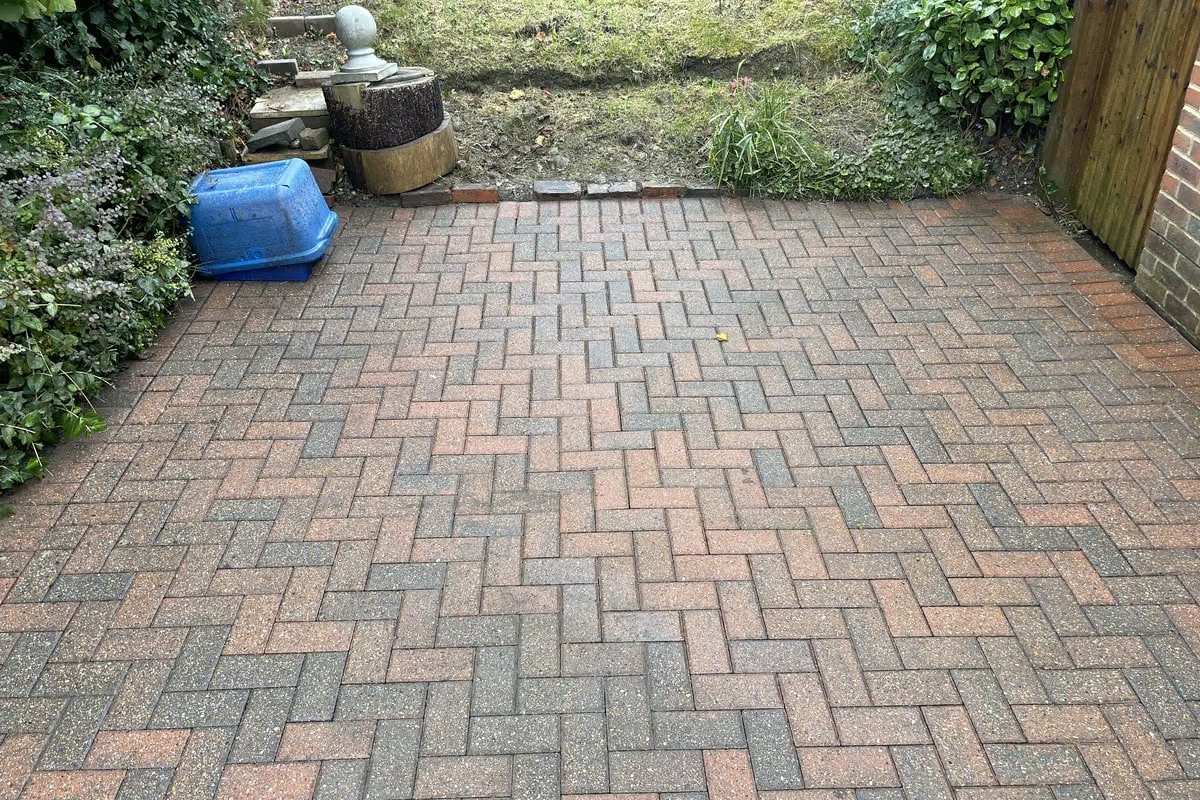
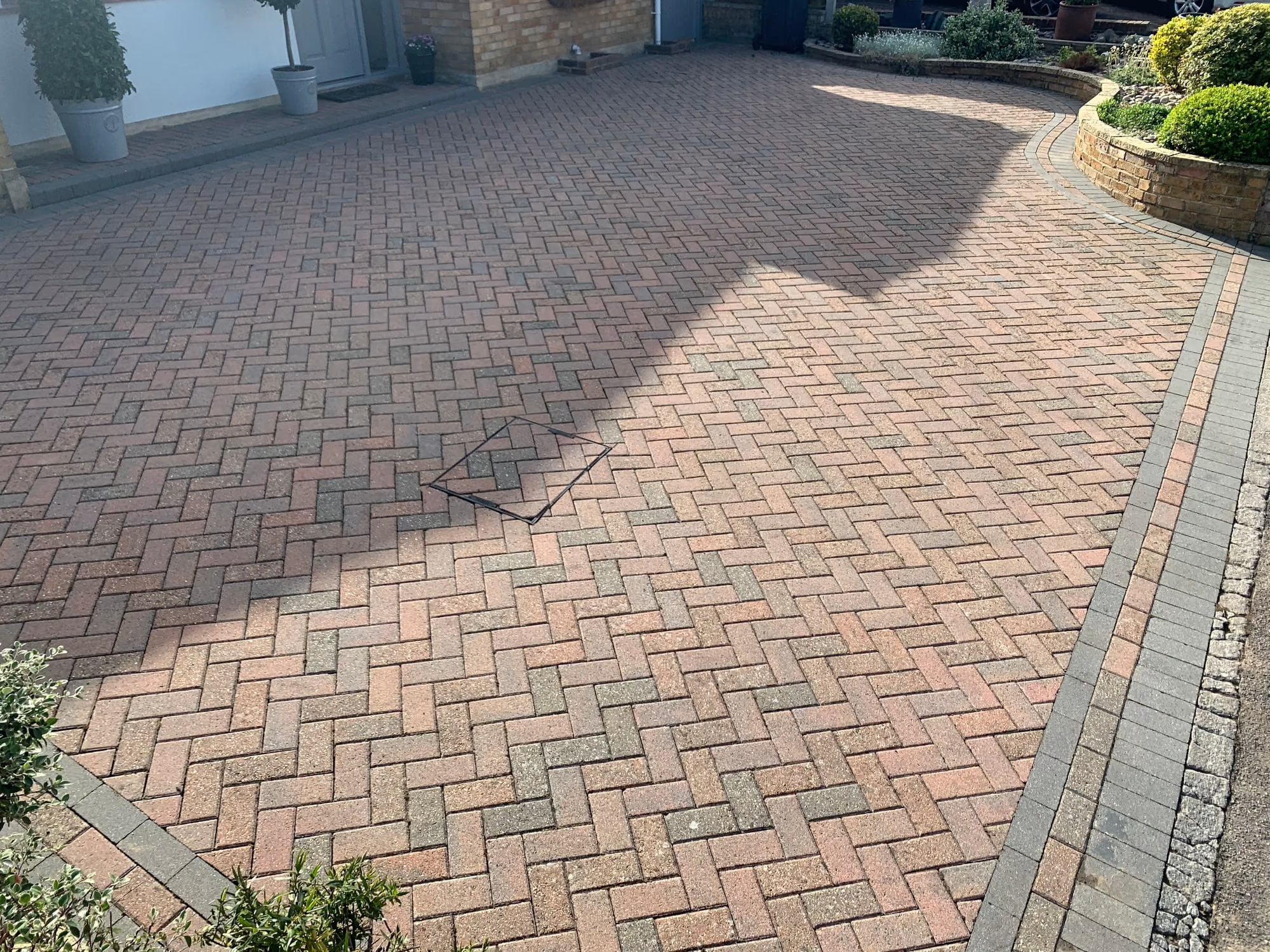
From my own jobs
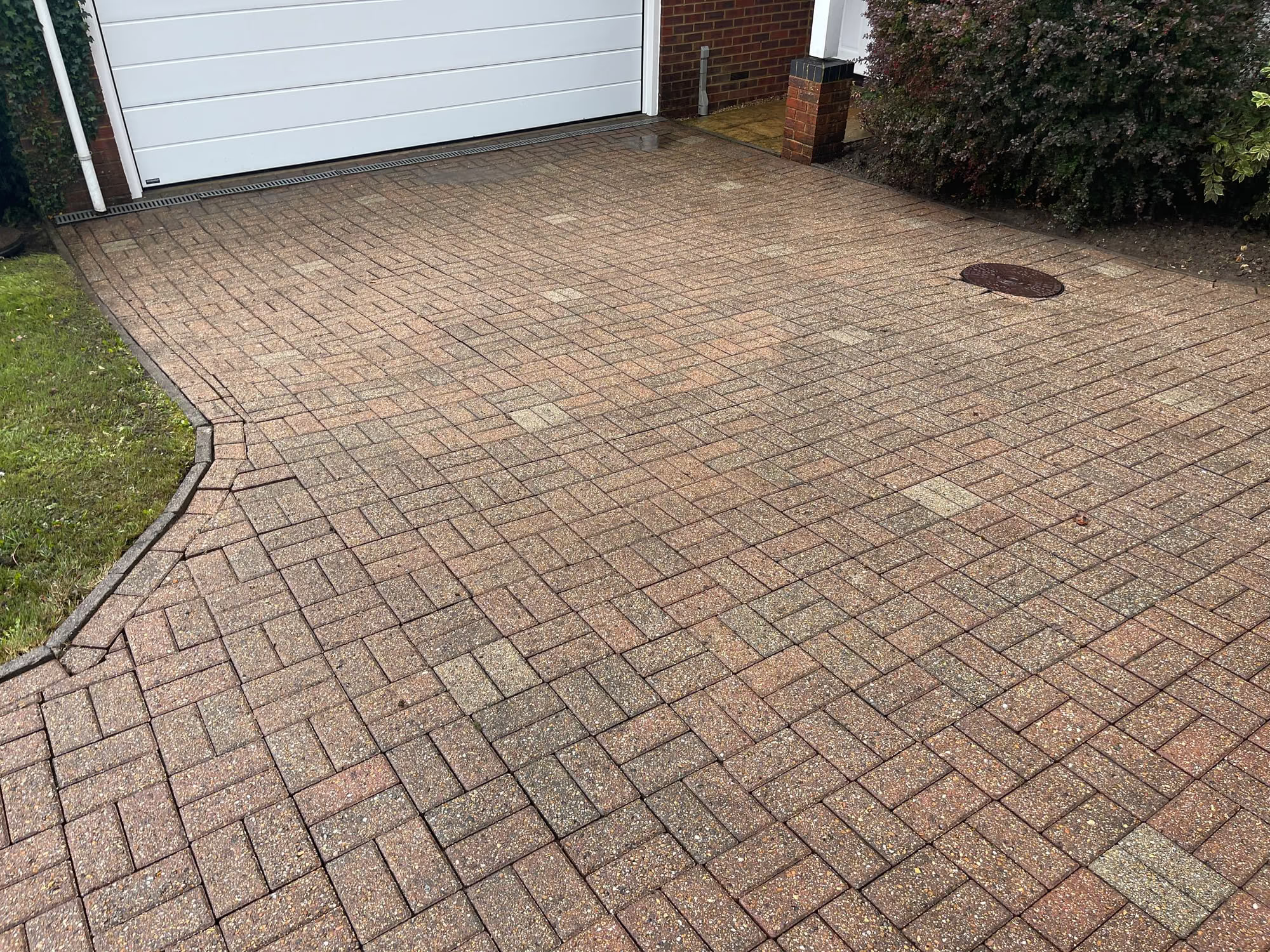
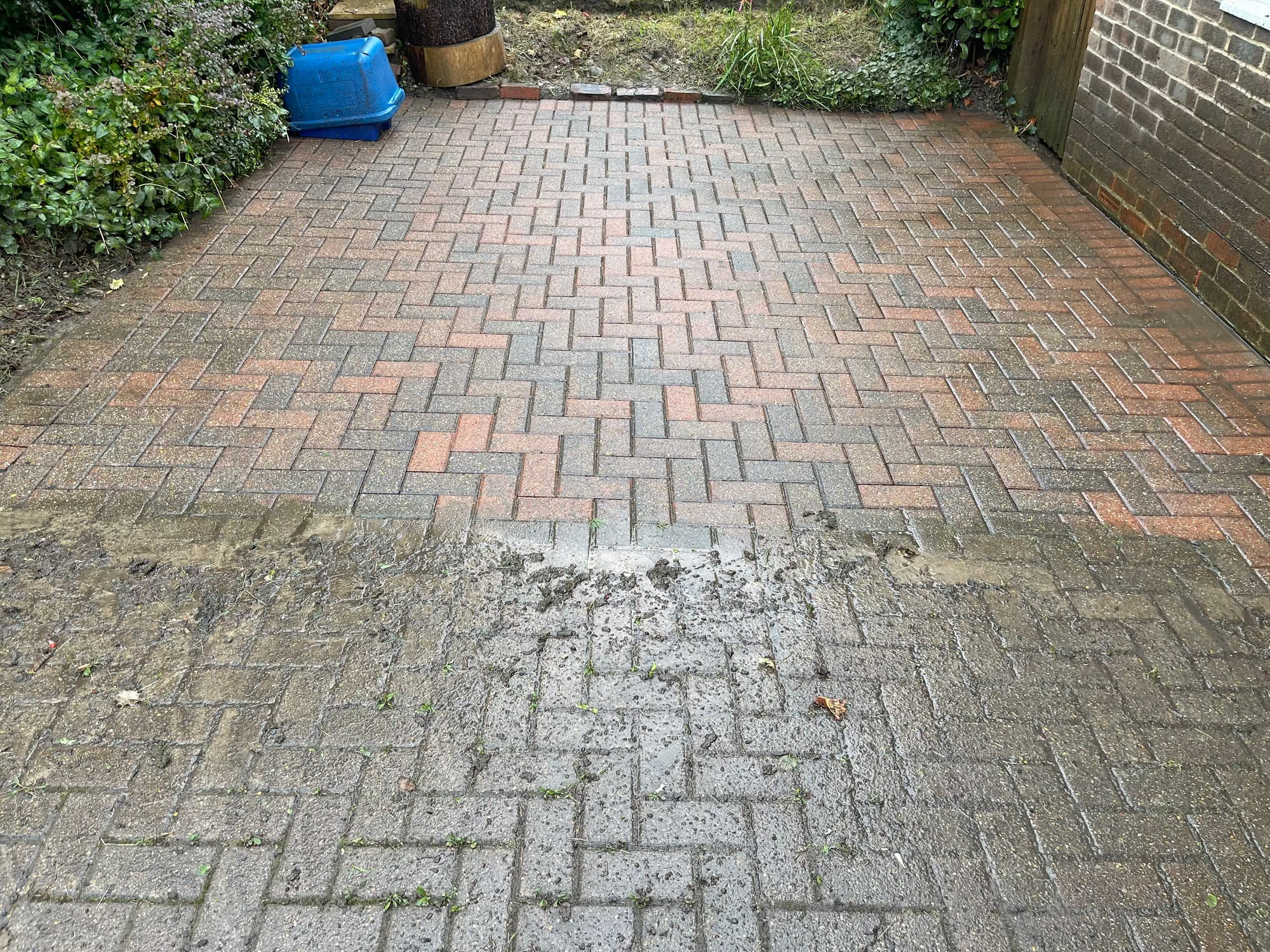
What this looks like in practice
Questions
Driveway cleaning: what people ask
Is re-sanding really necessary?
On block paving, yes. The sand in the joints is structural. It transfers load between blocks and lets the surface flex as one piece. Wash it out and leave it out and the blocks start to rock, edges chip and the pattern creeps. Re-sanding with kiln-dried sand is included in my price for block paving, not an extra I mention when I have finished.
Can you clean a pattern imprinted concrete drive?
Yes, carefully. The colour on imprinted concrete lives in a thin surface layer held down by a sealer, and once that sealer goes the colour follows. So it is reduced pressure, no turbo nozzle anywhere near it, and an honest conversation about re-sealing afterwards, because on imprinted concrete the sealer is the finish rather than a nice extra.
What about the oil stain under where the car sits?
Mostly liftable, rarely perfect. Fresh oil comes out with a degreaser and hot work. Old oil that has soaked into porous concrete for ten years has stained the material itself and will lighten rather than disappear. I will treat it as part of the job and tell you beforehand what I think it will look like.
Will the weeds come back?
Some will. Cleaning removes what is there and re-sanding makes it much harder for seed to establish, and a joint-stabilising sealer harder still. But seed blows in and settles on top, so you will get the occasional one. I do not offer weedkiller treatment, which is covered further down this page.
Get a price
Send me photos and I will price your driveway cleaning
Two or three photos and a rough size is all I need. Fixed price back in writing, usually the same day.
Sent
That is with me.
I read every one myself. If you sent photos I can usually come back with a fixed price the same day, or the next morning if it arrives late.